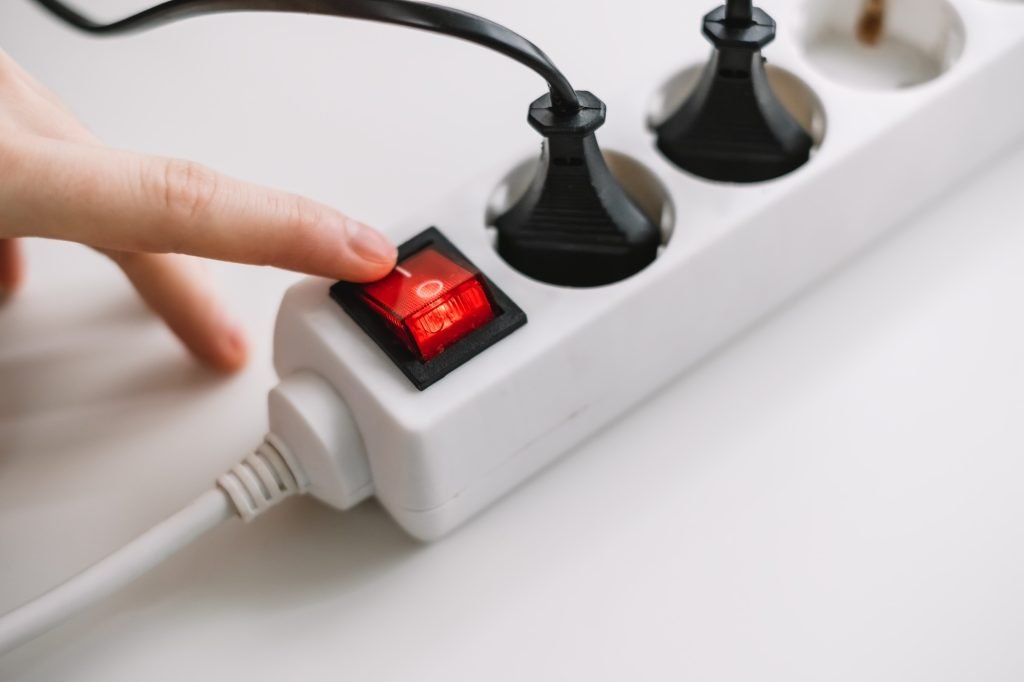
Power surges, which are sudden spikes in electrical voltage, are a common occurrence that can wreak havoc on your home’s electronics. While often unseen and unnoticed, these surges can silently damage your TVs, computers, gaming consoles and other devices.
That’s where surge protectors come in. These unsung heroes of electrical protection can safeguard your investments and prevent costly repairs or replacements.
What causes power surges?
Common causes include:
- Lightning strikes: A direct or nearby strike can send a surge of electricity through power lines.
- Power grid fluctuations: Sudden changes in the power grid, such as switching on or off large appliances, can cause voltage spikes.
- Faulty wiring: Damaged or aging electrical wiring can lead to voltage fluctuations.
While power surges can be brief, they can cause significant damage to your electronics. Sensitive components like circuit boards can be compromised by these sudden spikes in voltage.
How do Surge Protectors Work?
Surge protectors are designed to divert excess voltage away from your connected devices. They typically contain metal oxide varistors (MOVs), which act as resistors. When a surge occurs, the MOVs quickly conduct the excess voltage to the ground, protecting your electronics.
Why You Need Surge Protectors in Your Home
In today’s digital age, our homes are filled with a multitude of devices — all of which are vulnerable to power surges. Investing in surge protectors is essential for several reasons:
- Protecting Your Investment: Modern electronics can be expensive. By protecting your devices with surge protectors, you can save yourself from costly repairs or replacements.
- Preventing Data Loss: Power surges can corrupt hard drives and other storage devices, leading to potential data loss. Surge protectors can help safeguard your important files and memories.
- Reducing Fire Risk: Damaged electrical components can pose a fire hazard. Surge protectors can help mitigate this risk by preventing electrical fires.
Choosing the Right Surge Protector
When selecting a surge protector, consider the following factors:
- Surge Protection Rating: This rating indicates the maximum amount of voltage the surge protector can handle.
- Number of Outlets: Choose a surge protector with enough outlets to accommodate all your devices.
- Clamping Voltage: A lower clamping voltage offers better protection, but it may require more frequent replacement.
- Whole-House vs. Power Strip: Whole-house surge protectors offer comprehensive protection for your entire home, while power strip surge protectors are ideal for specific devices.
Remember to replace your surge protectors periodically, as their effectiveness can diminish over time. By taking these simple steps, you can protect your valuable electronics and ensure the longevity of your home’s electrical system. Want to learn more? Drop us a line at 919-588-8015.