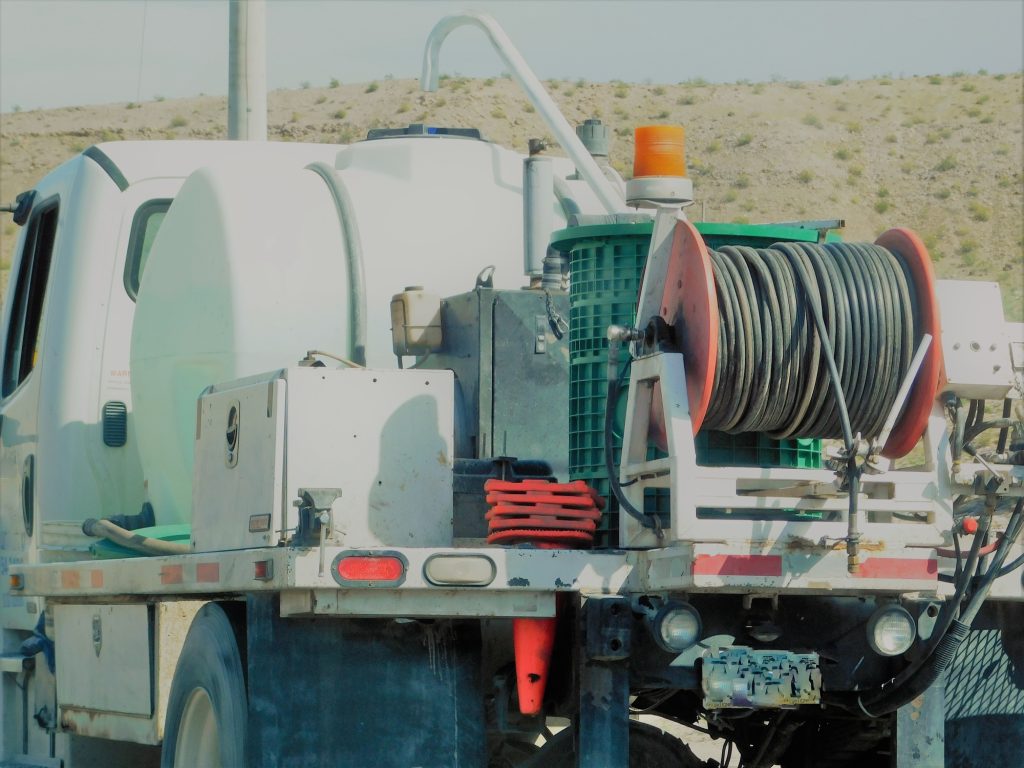
Septic tanks are one of those household things that you almost never think about — until there’s an issue. Then, it’s hard to think about anything else.
As a general rule, most septic tanks should be pumped every three to five years. Want to know if it’s time to call in the truck? Here are a few things to keep an eye out for:
- Slow Drains: If your sinks, tubs and toilets drain slowly, it could be a sign of a clogged drain or a full septic tank.
- Gurgling Sounds: Gurgling noises coming from your drains could be a sign of a problem.
- Foul Odors: A strong, unpleasant odor coming from your drains or around your home is a clear sign of a septic tank issue.
- Sewer Backups: Sewage backing up into your home is “the flashing red sign” that your septic tank is full.
- Lush, Green Grass: If unusually green grass grows over your septic tank or drain field, it can be a sign of wastewater leaking into the soil.
- Pooling Water: If you notice water pooling around your septic tank or drain field, it’s a clear indication of a problem.
Still not convinced? Failure to heed these warning signs can lead to a few unpleasant, and expensive, issues:
- Sewage Backup: This is the most common and unpleasant result of a septic issue. As the tank fills, the solids and liquids can back up into your home through drains, toilets and even floor drains. This can cause significant damage to your property and create a health hazard.
- Drain Field Failure: The drain field is responsible for filtering the wastewater from the tank. If the tank is full, the drain field can become overloaded, leading to soil saturation and failure. This can result in sewage pooling on the surface of your property or possibly contaminating the groundwater.
- Environmental Contamination: Untreated wastewater can contain harmful bacteria, viruses and other pollutants. If it leaks into the soil or groundwater, it can contaminate drinking water sources and pose a risk to public health.
Ready to tackle that septic tank? Click here to schedule a consultation.