Summer is almost here in Eastern North Carolina. But for many, that also means dealing with itchy eyes, runny noses and a symphony of sneezes. Indoor allergens can be a year-round issue, impacting your family’s comfort and health.
The good news? You have more control than you think.
What’s Lurking in Your Air? Common Indoor Allergens
Before we dive into solutions, let’s identify the usual suspects:
Dust Mites: These microscopic critters thrive in warm, humid environments and tend to hang out in bedding, upholstered furniture and carpets.
Pollen: While often considered an outdoor allergen, pollen easily makes its way inside through open windows, clothing and even on pets.
Pet Dander: It’s not actually the fur, but tiny flecks of skin shed by cats, dogs, and other furry or feathered pets that cause allergic reactions. Saliva and urine can also be triggers.
Mold Spores: Mold loves damp areas. Bathrooms, kitchens, basements or any area with a leak can become a breeding ground for mold, releasing spores into the air.
Cockroach Droppings: Less glamorous but still a potent allergen, cockroach droppings and body parts can trigger asthma and allergies.
Your First Line of Defense: General Tips for an Allergen-Reduced Home
Simple, consistent habits can make a significant difference:
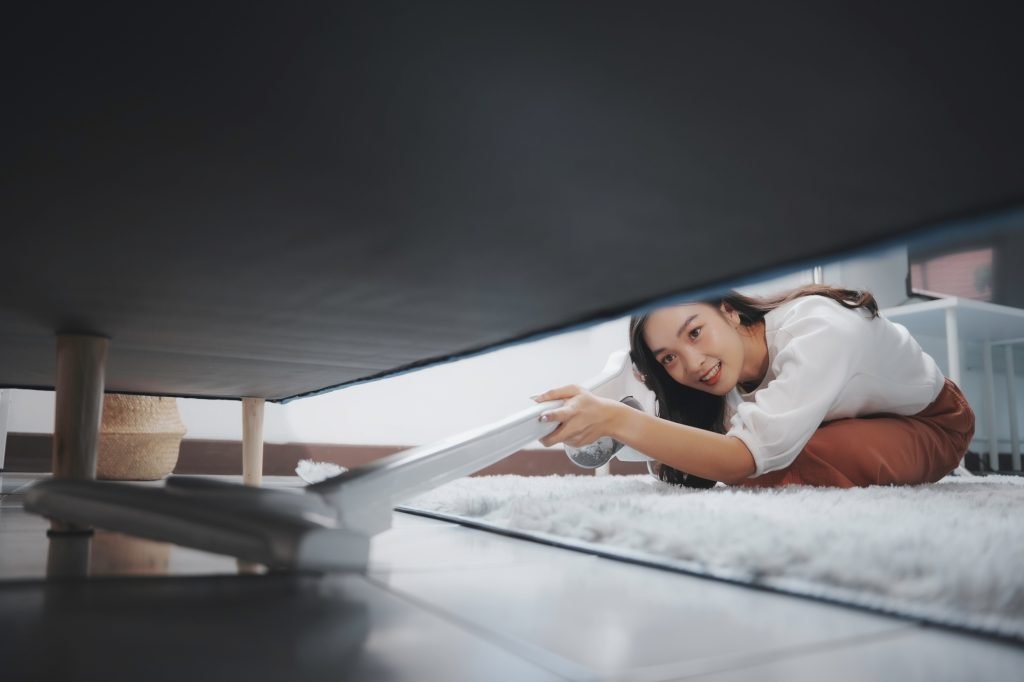
Vacuum weekly: Use a vacuum with a HEPA (High-Efficiency Particulate Air) filter to trap allergens. Pay extra attention to carpets, rugs and upholstered furniture.
Dust smart: Use a damp microfiber cloth to trap dust instead of scattering it. Don’t forget surfaces like blinds, ceiling fans and bookshelves.
Declutter: Fewer knick-knacks mean fewer places for dust to settle.
Bedding: Wash sheets, pillowcases and blankets weekly in hot water to kill dust mites.
Curtains & Rugs: Washable curtains and area rugs should be laundered regularly.
Other helpful hints
- Maintain indoor humidity levels between 30-50%. Dust mites and mold thrive in high humidity.
- Use exhaust fans in bathrooms and kitchens.
- Consider a dehumidifier for damp basements or crawl spaces.
- Keep windows and doors closed during high pollen seasons.
- Use doormats and encourage shoe removal at the entrance to reduce tracked-in allergens.
Pet management
- Groom pets regularly (preferably outdoors).
- Wash pet bedding frequently.
- Consider creating pet-free zones, especially in bedrooms of allergic individuals.
how Your HVAC System can help
Your heating, ventilation, and air conditioning (HVAC) system isn’t just about temperature control; it’s a critical component in maintaining healthy indoor air quality. Here’s how it helps and how you can optimize its performance:
Your HVAC filter is the first line of defense against airborne allergens circulating through your home.
Upgrade your filter: Opt for filters with a MERV (Minimum Efficiency Reporting Value) rating of 8-13. Higher MERV ratings mean the filter can capture smaller particles, including pollen, dust mite debris and pet dander.
Change filters regularly: This is crucial! A clogged filter can’t do its job effectively and can even worsen air quality. Aim to change your filter every 1-3 months, or as recommended by the manufacturer and your HVAC professional.
Keep Ductwork Clean: Over time, dust, dander, and even mold can accumulate in your air ducts. When your system runs, these allergens can be distributed throughout your home.
Consider a professional duct cleaning if you’ve recently renovated, have persistent allergy issues despite other measures or notice visible dust/debris around your vents.
Consider Air Purification Add-Ons
UV Air Purifiers: Installed within your HVAC system, UV lamps can help neutralize airborne bacteria, viruses and mold spores as they pass through.
Whole-Home Air Purifiers: These systems integrate with your HVAC to filter and purify the air in your entire home, offering a more comprehensive solution than portable units.
Ensure Proper Ventilation: Good ventilation helps remove stale, allergen-laden air and bring in fresh, filtered air.
Schedule Regular HVAC Maintenance
An annual professional tune-up is vital. Your HVAC technician will clean components, check for issues like mold growth within the system, and ensure everything is running efficiently to optimize air filtration and circulation.
Ready to take control of your indoor air quality? Contact us today for an air quality assessment or to learn more about our allergen-reducing HVAC solutions!